About the Workshop
REGSV 2026 encourages integrative approaches of viewing Structural Variation from the perspective of the lost or gained functionality that the regulatory bases in the variant range suggest. Birth defect studies, cancer studies and methodology for data integration, variant calling, variant interpretation, variant visualization are encouraged. We look forward to discussions about regulatory function and targets that have association with SVs in the genomes of humans or other model organisms.
While single-nucleotide variants (SNV) have historically led to more published findings, structural variations (SVs) such as inversions, duplications, and translocations can exert massive affect in regulatory dominance by reordering chromatin remodeling domains, restructuring topological domains like loop extrusion boundaries and rearranging enhancer and promoter distances and potential.
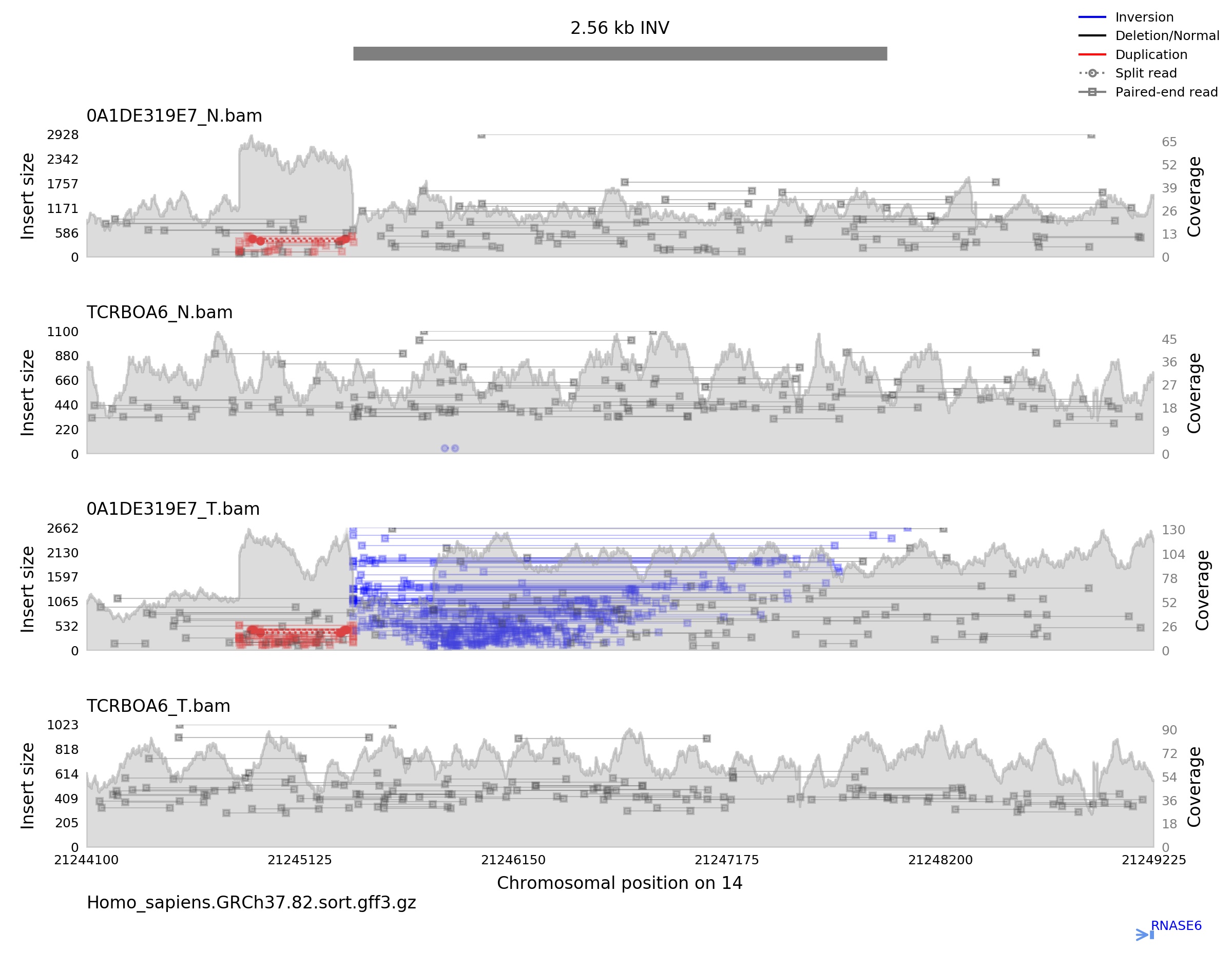
Research Topics of Interest
SVs fundamentally alter cellular phenotypes by making sever modification of the base protein sequence. We are therfor interested in exploring the specific regulatory elements, connections and greater impact to the genomic landscape given the constructs of transcription factor binding, enhancer to promoter interactions, insulator function and other mechanisms that play a role in disease and or evolution. If you don't explicitly see your SV related research topic, you can email the workshop chairs (at the bottom of the page) to see if your paper would be within the workshop scope.
SV integration
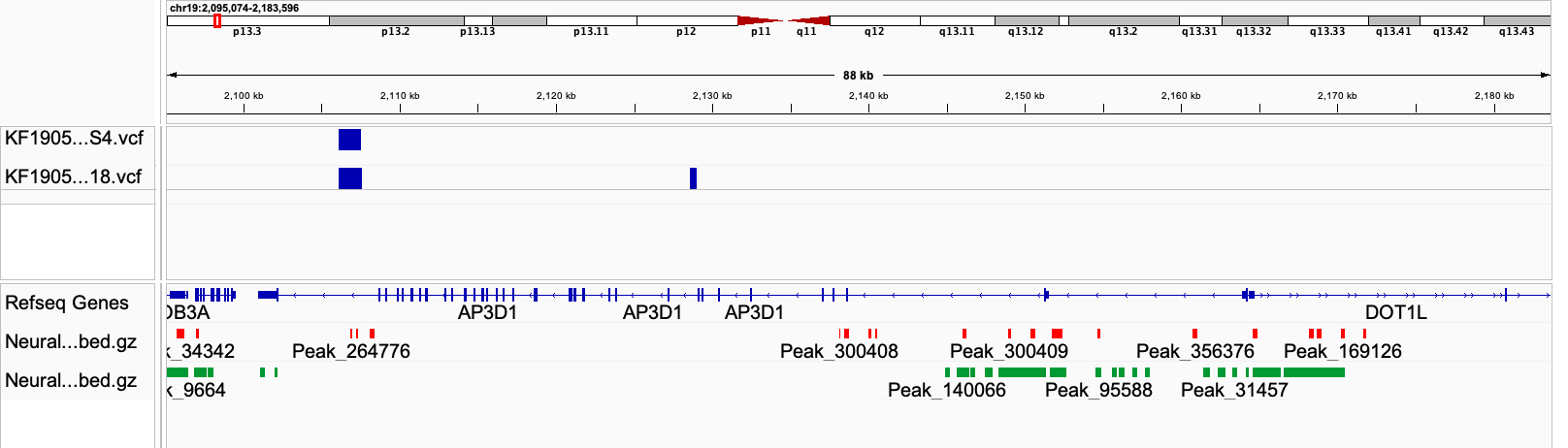
- On or in regulatory elements and transcription factor binding sites
- Affecting chromatin structure, methylation or phosphorylation
- Associated with Long-non coding RNA or LOC regions and or pseudo genes
- Single cell RNA or ATAC integration methods with associated SVs
- Methods for integration or visualization of integrated regulatory SVs
SV calling and scoring
- Ensemble methods for SV calling, genotyping, phasing, calibration
- Bayesian for SV determination under a background dataset (such as 1000 Genomes, genomeAD)
- Pathogenicity scoring of regulatory SVs or regions using in silico or in vivo guidance
- Explaining potential effects of SVs via novel annotation methods or frameworks
- Quantifying SV calling reproducibility using multiple datasets or tools
Population and Evolutionary Genetics
- Regulatory SVs connected to evolution
- SVs associated in specific populations
- SV disease risk based on evolution or population mechanisms
- Methods or frameworks for scoring evolutionary associated SV components
SVs that impact regulatory elements such as enhancers, promoters, insulators that in turn are part of evolutionary selection.
Presentation Schedule (TBD)
A mixture of in-person and virtual presentations will be scheduled here.
The workshop is designed as a half day or one-session workshop.
We estimate that there will be around 8 papers presented in-person and virtually.
Submission Information
Our workshop accepts 8-page full papers as well as 4-page short papers using the IEEE Computer Society Proceedings Manuscript Formatting Guidelines: https://www.ieee.org/conferences/publishing/templates.html. You are strongly encouraged to print and double-check your PDF file before its submission, especially if your paper contains Asian/European language symbols (such as Chinese/Korean characters or English letters with European fonts). Accepted papers will be part of IEEE BIBM 2026 proceedings and are indexed in IEEE Xplore
Submission PortalWorkshop Chairs
Timothy James Becker+
Connecticut CollegeDepartment of Computer Science
tbecker@conncoll.edu
researcher link
Dashzeveg Bayarsaihan
UCONN HealthCenter for Regenerative Medicine and Skeletal Development
dashzeveg@uchc.edu
researcher link